Thrips on Houseplants: A Calm, Pet-Safe Treatment Guide That Actually Works
Updated: Feb 12
Thrip Identification Thrip pest thrip pest close up
If you’re here because your plant suddenly looks… wrong as in silver streaks, distorted leaves, growth that feels and looks off, pause for a second before you give it more water or fertilize it or move it to a brighter spot. The problem may not be anything you did ( or didn't do) it may be pests!
This is not a failure.This is information.
Thrips are one of the most misunderstood houseplant pests, not because they’re rare, but because they’re quiet, persistent, and very good at making plant parents blame themselves.
Let’s gently fix that.
First, You Didn’t Miss Something Obvious
Thrips don’t announce themselves.
They don’t show up loudly like fungus gnats or dramatically like spider mites. They feed inside leaf tissue, which means damage often appears before you ever see the insect.
If your instinct was “How did I not notice this sooner?”,that’s a normal reaction. It doesn’t mean you’re inattentive. It means thrips are doing what thrips do, causing destruction without detection.
What Thrips Damage Actually Looks Like
thrip leaf damage - silver streak thrip leaf damage - thrip poop thrip leaf damage
Thrips damage can vary by plant, but the most common signs include:
Silver or bronze streaking on leaves
Leaves that look scarred, dull, or rubbed
Twisted, curled, or distorted new growth
Tiny black specks (frass) on leaf undersides
Leaves that feel stiff or papery over time
Thrips prefer new growth, which is why healthy, actively growing plants often show damage first.
Why Thrips Are So Hard to Treat (And Why That’s Not Your Fault)
Thrips aren’t surface feeders.
They insert their mouthparts into the leaf, which protects them from many common sprays and “natural fixes” floating around the internet.
This is why:
Neem oil alone often fails
Random spray rotation causes burnout
People treat for weeks without results
Thrips require one correct tool, used consistently, not everything at once.
The Gold-Standard Treatment for Thrips (Simple, Not Overwhelming)
If you remember one thing from this guide, let it be this:
Spinosad is the most effective, indoor-appropriate treatment for thrips.
Spinosad works because it:
Kills adults and larvae
Penetrates leaf tissue to kill eggs ( unlike oils and soaps)
Breaks the thrips life cycle
Is low-toxicity and dog-safe once dry
This is why it’s considered the gold standard for indoor thrips control.

thrip effective treatment 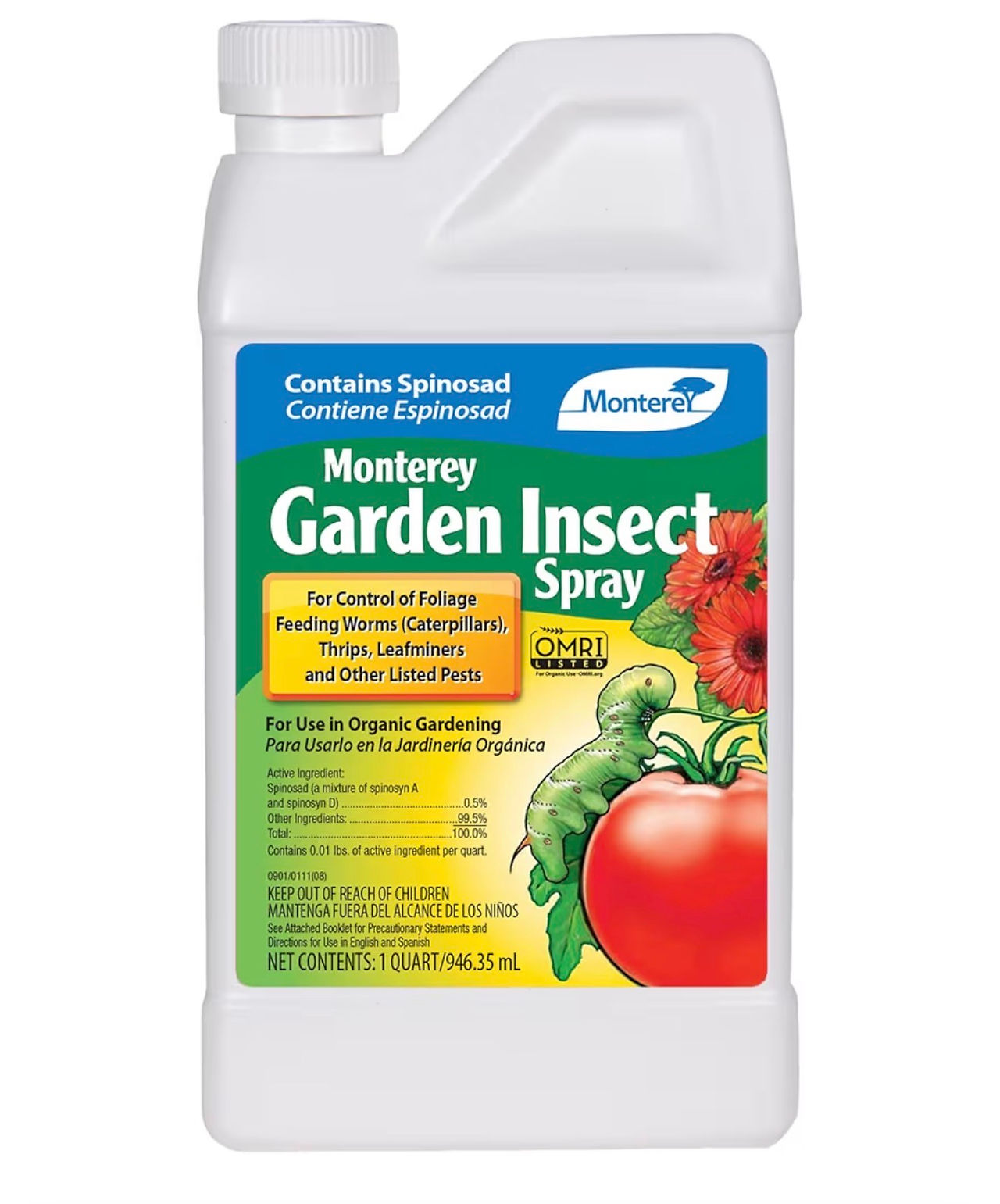
Effective Gold Standard Thrip Treatment 
Effective Thrips pest treatment
🛒 You can purchase my exact spinosad recommendations on my Amazon Thrips Treatment page linked here:
How to Treat Thrips Gently but Effectively
You don’t need to panic-spray.You don’t need to isolate your entire house.
Here’s a calm plan that works:
Step 1: Isolate the affected plant
Not forever just during treatment.
Step 2: Spray thoroughly with spinosad
Tops and undersides of leaves
Stems and new growth
Light runoff is okay
Step 3: Repeat every 5–7 days
This matters more than spraying harder.
Step 4: Use sticky traps to monitor
Blue traps are especially helpful for thrips.
Consistency > intensity.
Pet Safety (Because Your Peace Matters Too)
All products I recommend for thrips are considered dog-safe once dry.
Still, always:
Remove pets during application
Allow plants to dry completely
Avoid spraying near food bowls or bedding
You don’t have to choose between plant care and your dog’s safety.
What Not to Do (So You Don’t Waste Energy)
This is where I want to save you time, money, and emotional bandwidth:
Don’t rely on neem oil alone
Don’t use systemic granules for thrips
Don’t spray daily
Don’t rotate five products at once
More isn’t better.Aligned action is better.
Prevention Without Perfection
Thrips don’t mean your home is “dirty” or your routine is wrong.
But a few gentle habits help reduce risk:
Quarantine new plants briefly
Wipe leaves occasionally
Avoid plant crowding
Support plant health (not stress)
Think of prevention as observation, not control.


Comments